Hill Country architecture has a specific problem, and the front door is usually where it shows. The palette is limestone, standing seam metal and glass. The scale is generous. The light is relentless from about two in the afternoon. A stock entry door from a builder catalog does not survive that context visually or physically.
Here is what actually works on an Austin and Hill Country home, and why.
What the architecture asks for
Limestone wants contrast, not competition
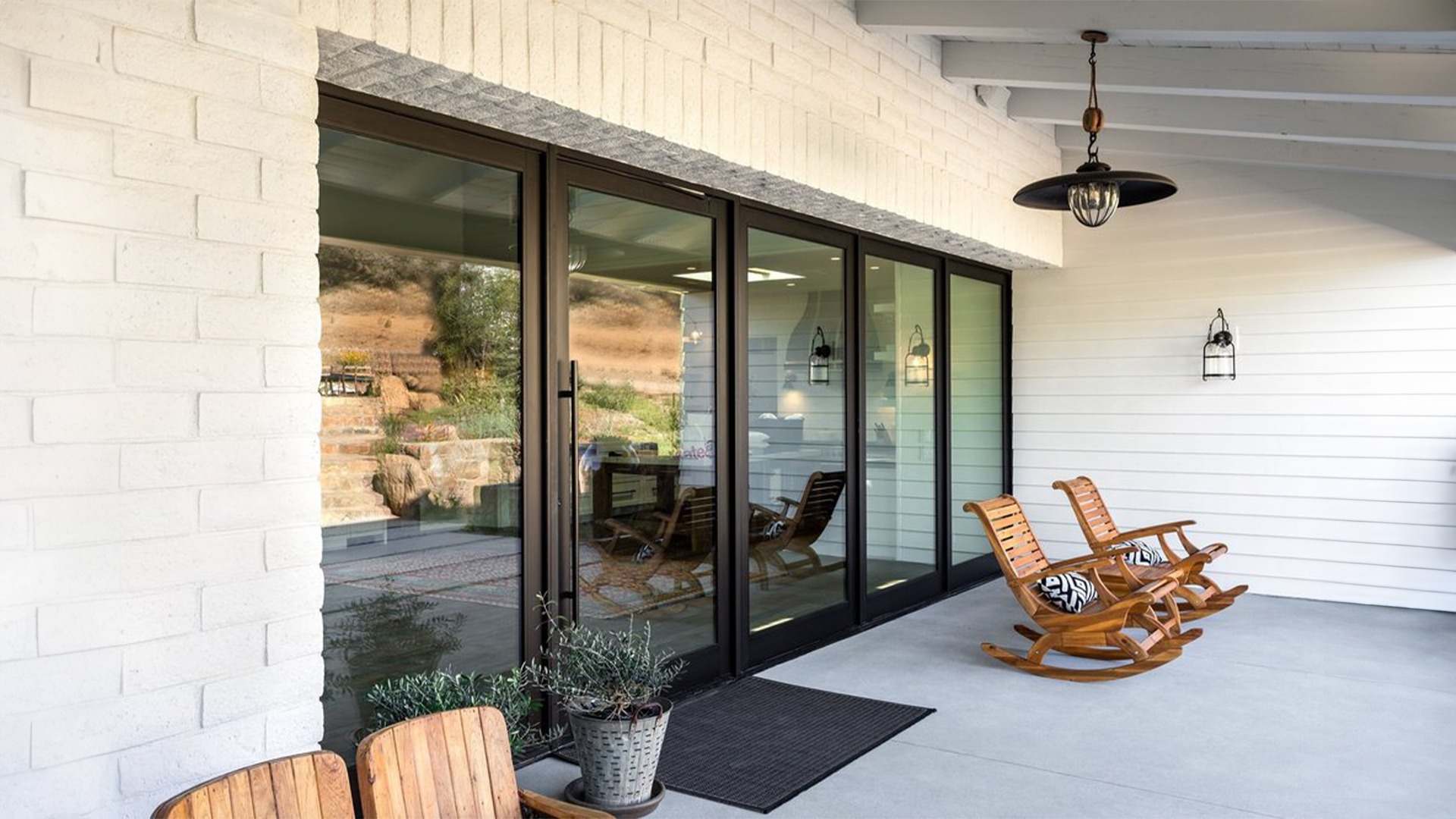
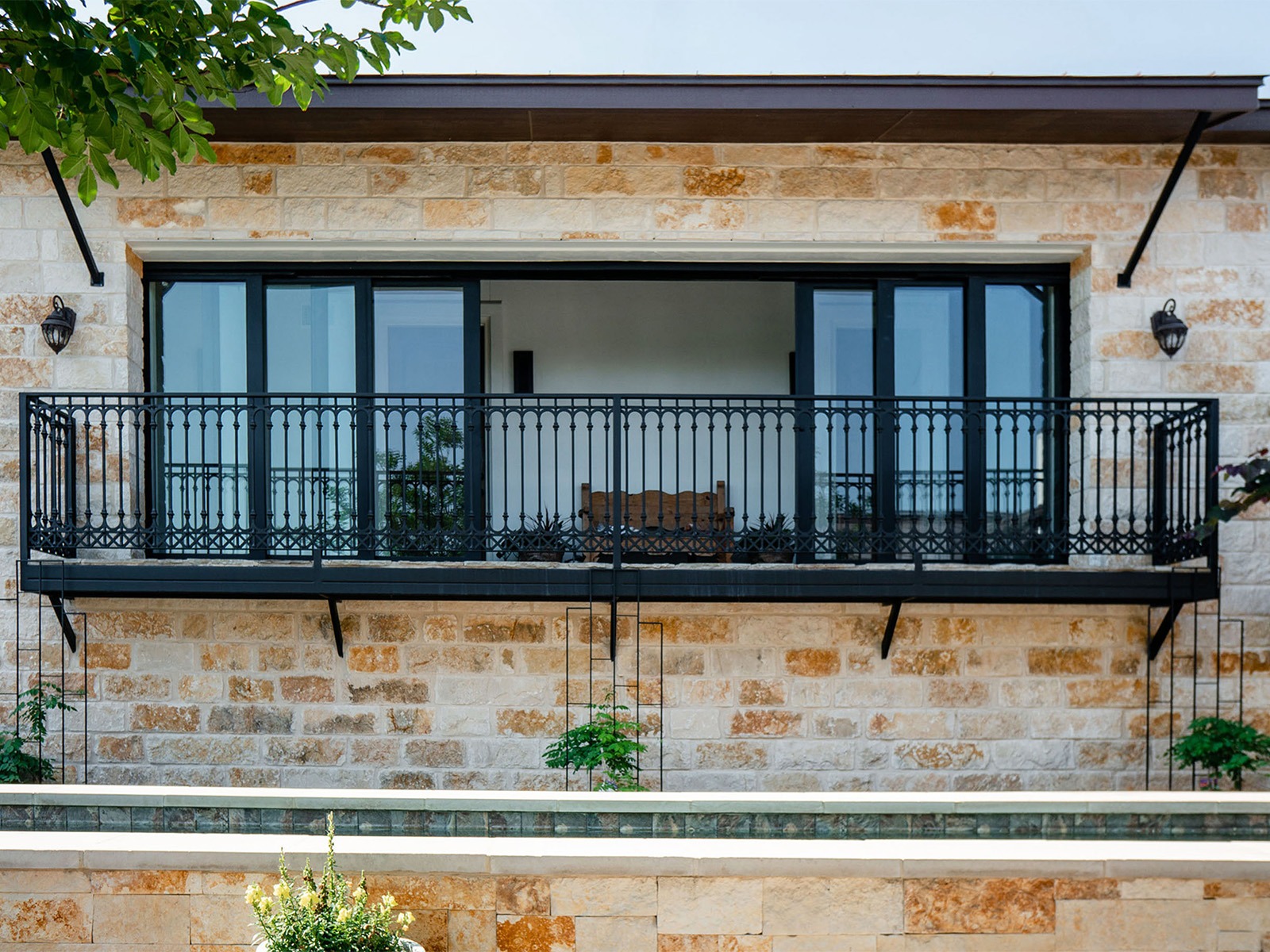
Austin limestone is warm, pale and heavily textured. A stained wood door disappears into it. A door in Black or Dark Bronze reads as a deliberate frame rather than another warm surface, and it is the reason black is far and away our most requested finish in Central Texas.
Standing seam metal wants a matching line weight
If the roof is dark standing seam, the grid pattern on the door should echo that vertical rhythm. A tall, narrow grid picks it up. A wide, squarish traditional grid fights it.
Big openings want thin sightlines
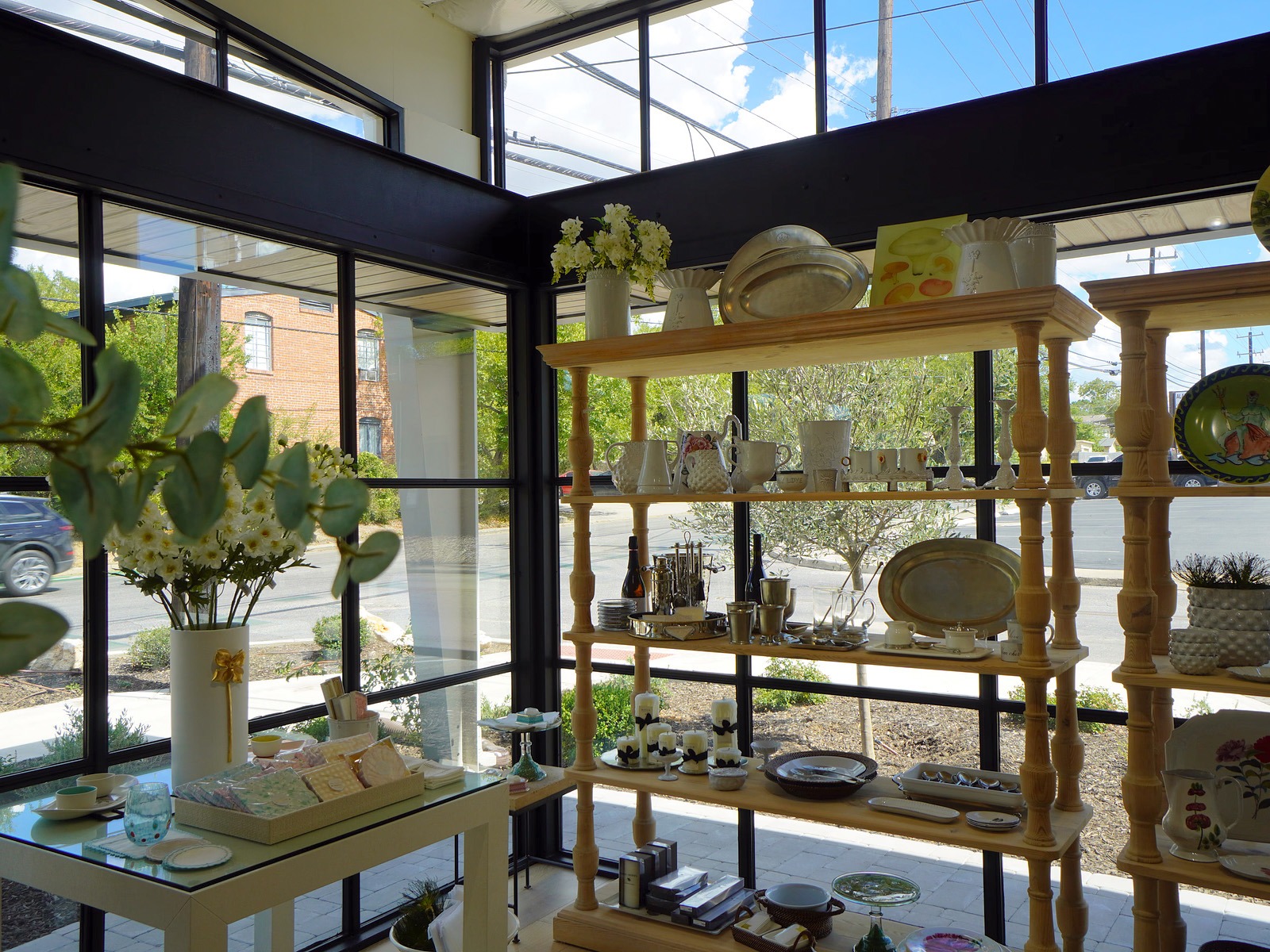
The whole reason Hill Country builds use so much glass is the view. A wood or vinyl frame needs bulk to stay square across a wide opening, and that bulk eats the view. Steel at 11-gauge holds a much larger panel on a much thinner profile — which is the entire argument for steel in this part of Texas.
Austin, neighborhood by neighborhood
Westlake Hills and Barton Creek
Hillside modern with dramatic elevation changes and very large glass. Pivot entries and full-height steel do the most work here, usually in black with clear glass.
Tarrytown and Hyde Park
Older, smaller-scale, traditional. The door has to sit inside an original opening and look like it was always there. We measure as built and match the arch or transom the house already has.
Lake Travis, Steiner Ranch and Circle C
Newer construction on larger lots, where whole-house packages make sense — entry, windows and patio doors on one schedule with a single finish across all of it.
Downtown and East Austin
Infill and modern renovation. Minimal sightlines, industrial grid, often interior steel and glass partitions as well as the entry.
The west-facing problem
This is the one thing we bring up on nearly every Hill Country project. A west-facing entry takes direct afternoon sun most of the year, and limestone bounces more of it back at the door. Two consequences:
- Heat gain. Specify Low E glass. On a west elevation in Austin it is worth the cost; on a shaded north entry it usually is not.
- Finish life. Sun is what ages a finish. A west-facing Austin door should be inspected on the same schedule as a West Texas door — see how to maintain an iron door in Texas weather.
Metal moves with heat, and that is not a reason to avoid steel — it is a reason to build it properly. Solid 11-gauge with a correctly set jamb handles the cycling. Thin sheet over hollow tube does not.
Glass, and how much privacy you actually want
Clear is the right answer when there is a view or a deep porch. Where the entry faces the street at close range, Aquatex, Rain, Flemish and Satin each obscure differently while still passing light — worth seeing in person rather than choosing from a photograph. Low E is available on any of them.
What we build for Austin homes
- Wrought iron entry doors in single, double and pivot
- Steel entry doors with modern profiles and minimal sightlines
- Steel windows to match the entry, thermally broken frames on request
- Steel patio doors and sliding doors for indoor-outdoor living
- Steel wine room doors — a common Hill Country request
Our Austin showroom is on McNeil Rd. See the full local page for iron doors in Austin, browse finished projects in our gallery, or request a free design consultation and we will come measure the opening.
Keep reading
- Are iron doors worth it in Texas? — cost, lifespan and resale value.
- Wrought iron sliding door designs — every configuration, explained.
- Custom steel windows — matching window frames for Hill Country builds.